Loading...
Back to Blogs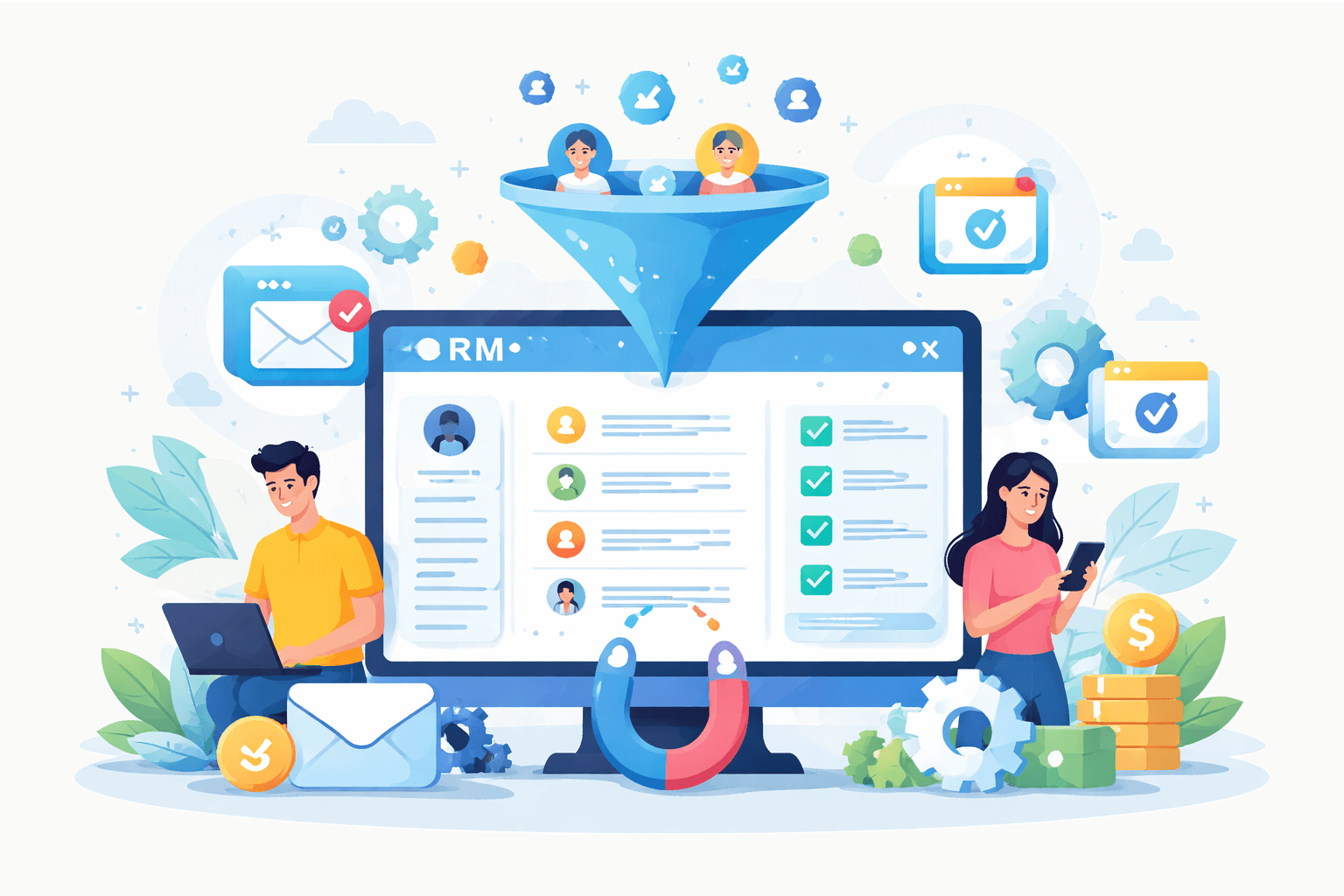
AI4/4/2026
Never Lose a Lead Again: The Power of CRM Sync and Automated Follow-Ups
Ai Business Care Team
Author
In today’s fast-moving real estate market, generating leads is easier than ever—but converting those leads into paying clients is where most businesses struggle. You can run ads, build landing pages, and attract hundreds of inquiries, yet still see disappointing results. The reason is simple: without a proper system in place, leads get lost, ignored, or forgotten.
Every missed message, delayed reply, or lack of follow-up represents lost revenue. And in a competitive industry like real estate, even a small delay can push a potential client toward your competitor.
This is where CRM synchronization and automated follow-up systems completely change the game. Instead of manually managing every lead, these tools create a smart, structured, and efficient process that ensures no opportunity slips through the cracks.
Understanding CRM Sync in Real Estate
A Customer Relationship Management (CRM) system is more than just a database—it’s the central hub of your entire sales process. It stores your leads, tracks interactions, and helps you manage relationships with potential buyers, sellers, and investors.
But the real power comes from CRM sync, which automatically collects and organizes leads from multiple sources in real time.
Imagine this: someone fills out a form on your website, messages you on WhatsApp, or submits their details through a Facebook ad. Instead of manually entering this information, CRM sync instantly captures it and places it into your system—accurately and without delay.
This means you always have a clear, organized view of your leads, including who they are, what they’re looking for, and how they’ve interacted with your business.
Why Most Real Estate Leads Go Cold
Before we talk about solutions, it’s important to understand the core problem. Most leads don’t convert—not because they aren’t interested, but because they are not handled properly.
One of the biggest issues is slow response time. Today’s buyers expect instant communication. If they don’t hear back from you quickly, they move on.
Another major factor is inconsistent follow-up. Many agents reach out once or twice and then stop, assuming the lead isn’t interested. In reality, most clients need multiple touchpoints before making a decision.
There’s also the problem of disorganization. Without a proper system, it becomes difficult to track conversations, remember details, or prioritize leads.
Finally, manual processes make everything harder. When you’re juggling multiple leads without automation, it’s easy to miss opportunities.
The Role of Automated Follow-Ups
Automated follow-up systems solve these problems by ensuring consistent and timely communication with every lead.
As soon as a lead enters your CRM, the system can automatically trigger a sequence of messages. These messages can be sent عبر WhatsApp, SMS, or email, depending on your setup.
Instead of relying on memory or manual effort, automation handles the process for you—making sure every lead is nurtured properly.
For example, a new lead might receive a welcome message immediately, followed by helpful information over the next few days, and then reminders or offers based on their interest.
This creates a structured journey that guides the lead from initial inquiry to final decision.
Creating a Seamless Lead Journey
When CRM sync and automation work together, they create a smooth and professional experience for your leads.
Everything starts the moment a lead shows interest. Their information is captured instantly and stored in your CRM. From there, they are categorized based on their intent—whether they are a buyer, seller, or investor.
Once categorized, they enter a tailored follow-up sequence designed to match their needs. A serious buyer might receive property recommendations quickly, while a long-term investor might get educational content and market insights.
Throughout this process, every interaction is tracked. You can see which messages were opened, which links were clicked, and how engaged the lead is.
This allows you to focus your attention on the most promising opportunities while still nurturing the rest.
Writing Follow-Ups That Actually Convert
Automation is powerful, but the effectiveness of your system depends heavily on how you communicate.
The most successful follow-up strategies feel natural, helpful, and human. Instead of sounding like a sales pitch, your messages should feel like a conversation.
For example, instead of saying, “We have properties available,” you could say, “Hi, I found a few properties that match what you’re looking for—would you like me to share them with you?”
This small shift makes a big difference. It feels more personal, more engaging, and more likely to get a response.
It’s also important to provide value in your follow-ups. Share useful information, answer common questions, and guide your leads through the process. When people feel informed and supported, they are more likely to trust you—and eventually buy from you.
Timing and Consistency Matter
One of the biggest advantages of automation is the ability to maintain consistent communication without overwhelming your leads.
Instead of sending random messages, you can create a structured sequence that unfolds over time. This might include a welcome message, followed by helpful content, reminders, and occasional check-ins.
The key is balance. Too many messages can feel intrusive, while too few can cause your lead to forget about you.
A well-designed follow-up system keeps your brand visible without being annoying. It builds familiarity, trust, and credibility over time.
Turning Cold Leads into Opportunities
Not every lead will respond immediately—and that’s perfectly normal. In fact, many leads become valuable clients weeks or even months after their initial inquiry.
This is where automated re-engagement comes in.
Instead of letting cold leads disappear, your system can periodically check in with them. A simple message like, “Are you still looking for a property?” can restart the conversation.
You can also share updates, new listings, or market trends to spark renewed interest.
Over time, these small touchpoints can turn cold leads into warm prospects—and eventually into paying clients.
Measuring and Improving Your Results
A major advantage of using CRM and automation is the ability to track performance.
You can see how quickly you respond to leads, how many messages are opened, and how many conversations turn into deals.
This data is incredibly valuable. It helps you understand what’s working and what needs improvement.
For example, if your response rate is low, you might need to improve your messaging. If leads are not converting, you might need to adjust your follow-up sequence.
By continuously analyzing and optimizing your system, you can achieve better results over time.
The Real Impact on Your Business
When implemented correctly, CRM sync and automated follow-ups can completely transform your real estate business.
You no longer have to worry about missing leads or forgetting to follow up. Everything is handled systematically and efficiently.
This not only increases your conversion rates but also frees up your time. Instead of chasing leads manually, you can focus on closing deals and building relationships.
In addition, your business becomes more scalable. Whether you have 10 leads or 1,000, your system can handle them without breaking down.
Final Thoughts
In a world where speed, consistency, and personalization matter more than ever, relying on manual processes is no longer enough.
CRM synchronization and automated follow-up systems give you a powerful advantage. They ensure that every lead is captured, every message is sent on time, and every opportunity is nurtured properly.
The result is simple: better organization, stronger relationships, and higher conversions.
If you’re serious about growing your real estate business, it’s time to move beyond basic lead generation and focus on what truly matters—turning those leads into clients.
Because at the end of the day, success isn’t just about getting leads. It’s about never losing them.
Share this article
Spread the knowledge
Stay Updated
Get the latest insights delivered to your inbox.