Loading...
Back to Blogs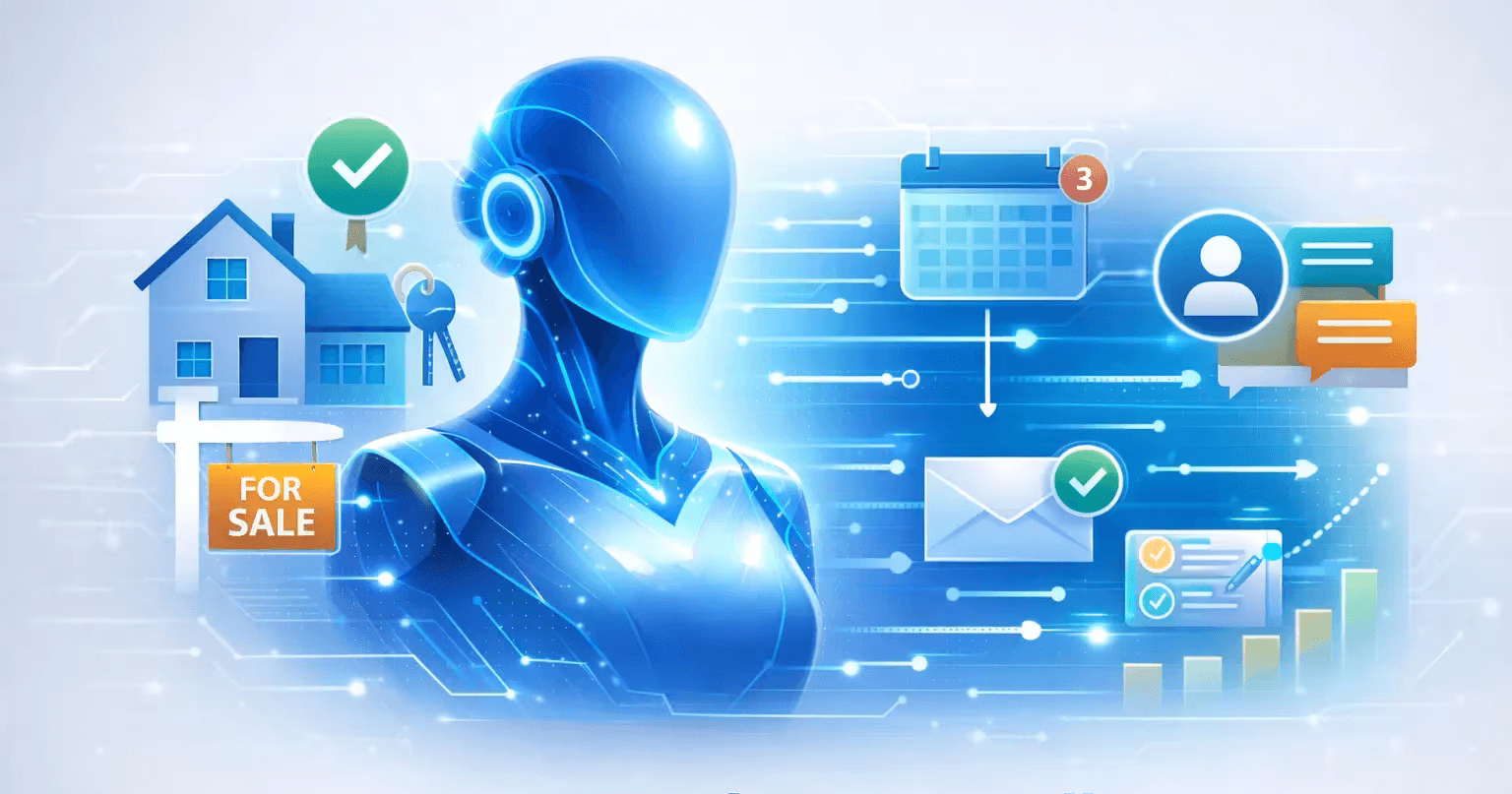
AI4/4/2026
How Auto Follow-Up Systems Close Deals While You Sleep
Ai Business Care Team
Author
In today’s fast-paced business world, generating leads is just the beginning. The real challenge is converting those leads into paying clients. Many businesses struggle with this stage because manual follow-ups are time-consuming, inconsistent, and prone to errors. The good news is that auto follow-up systems have revolutionized the way businesses nurture and convert leads, allowing you to close deals even while you sleep.
In this article, we’ll explore how auto follow-up systems work, why they’re essential for modern businesses, and how you can implement them effectively to maximize conversions and revenue.
What Are Auto Follow-Up Systems?
An auto follow-up system is a software or tool that automates communication with leads and customers over time. These systems are typically integrated with CRM platforms, email marketing software, or messaging apps like WhatsApp or SMS.
Once a lead enters your system, the follow-up sequence is triggered automatically, sending personalized messages at predetermined intervals. These messages can include:
- Welcome messages
- Reminders for appointments or deadlines
- Educational or promotional content
- Re-engagement messages for cold leads
By automating follow-ups, businesses ensure that no lead falls through the cracks, while maintaining consistent and timely communication.
Why Follow-Ups Are Crucial for Closing Deals
Statistics show that 80% of sales require at least five follow-ups to close, yet most businesses give up after just one or two attempts. Leads often go cold because they’re not nurtured properly, not because they lack interest.
Here’s why follow-ups are so important:
1. Builds Trust
Consistent communication shows leads that your business is reliable and professional. Over time, this builds trust and credibility.
2. Keeps Your Brand Top-of-Mind
Leads may be considering multiple options. Regular follow-ups ensure your business stays in front of them until they’re ready to make a decision.
3. Provides Value
Follow-ups can deliver helpful information, such as guides, market trends, or product tips. Educating leads positions you as an expert in your field.
4. Converts Cold Leads
Not all leads are ready to buy immediately. Follow-up sequences can nurture long-term prospects until they’re prepared to take action.
How Auto Follow-Up Systems Work
Auto follow-up systems combine automation with personalization. Here’s a typical workflow:
- Lead Capture
A lead enters your system through a website form, ad campaign, or messaging platform. - Segmentation
The system tags the lead as hot, warm, or cold based on their actions, interests, and responses. - Triggering Follow-Up Sequences
Depending on the lead’s category, the system sends pre-written messages at scheduled intervals. - Personalization
Using CRM data, each message is customized with the lead’s name, preferences, and past interactions. - Tracking and Analytics
The system tracks which messages are opened, links clicked, and responses received, giving you actionable insights for optimization.
Types of Auto Follow-Up Messages
A successful auto follow-up system uses a mix of messages to engage leads effectively:
1. Welcome Messages
Sent immediately after a lead expresses interest, these messages acknowledge their inquiry and provide initial guidance.
Example:
“Hi [Name], thanks for reaching out! Here’s a quick guide to help you get started with [product/service].”
2. Educational Messages
These messages provide valuable information to help leads make informed decisions.
Example:
“Did you know [market tip or industry insight]? Here’s how it can benefit you…”
3. Reminder Messages
Reminders ensure that leads do not forget appointments, deadlines, or offers.
Example:
“Just a friendly reminder: Your consultation is scheduled for tomorrow at 3 PM. Looking forward to speaking with you!”
4. Promotional or Offer Messages
Promotional messages encourage leads to take action, such as scheduling a call or making a purchase.
Example:
“Exclusive offer! Book your service today and get a 10% discount for this week only.”
5. Re-Engagement Messages
These messages target leads who have gone cold, reigniting their interest in your services.
Example:
“Hi [Name], it’s been a while! We’ve got some new options that might interest you. Want to check them out?”
Benefits of Auto Follow-Up Systems
Implementing an auto follow-up system can dramatically improve your lead conversion rates. Here’s how:
1. Close Deals 24/7
Leads can receive timely responses even when your team is offline. Automation works around the clock, ensuring no opportunity is missed.
2. Save Time and Resources
Instead of manually sending follow-ups, your team can focus on high-value activities, such as closing deals or providing consultations.
3. Reduce Human Error
Automated systems eliminate the risk of forgetting to follow up or sending messages inconsistently.
4. Personalized Communication at Scale
Even with hundreds or thousands of leads, each message can feel personal and relevant.
5. Better Lead Qualification
Tracking responses allows you to identify which leads are most engaged and prioritize them for personal follow-ups.
Implementing an Auto Follow-Up System
To make the most of automation, follow these key steps:
1. Choose the Right Software
Select a system that integrates with your CRM, messaging apps, and other lead sources. Popular options include HubSpot, Zoho CRM, ActiveCampaign, and WhatsApp Business API.
2. Segment Your Leads
Categorize leads based on interest level, demographic data, and behavior. This allows you to send relevant messages tailored to their needs.
3. Create a Follow-Up Sequence
Plan your messages strategically. For example:
- Day 0: Welcome message
- Day 2: Educational content
- Day 4: Reminder or promotional offer
- Day 7: Re-engagement message for non-responders
4. Personalize Every Message
Use the lead’s name, preferences, and past interactions to make each message feel personal.
5. Track Results and Optimize
Regularly review metrics like open rates, click-through rates, and responses. Test different message formats and timing to maximize engagement.
Real-Life Examples
Consider a real estate agent using an auto follow-up system:
A potential buyer submits a form on the website at midnight. The system automatically sends a welcome WhatsApp message immediately. Over the next week, the system shares property listings, market insights, and reminders about available tours. By the time the agent starts work the next morning, the lead is already engaged and ready for a personal call.
The result? Deals that might have taken weeks or been lost altogether are now closed faster and more efficiently—without the agent lifting a finger during off-hours.
Overcoming Common Challenges
While auto follow-ups are powerful, they’re not a magic wand. Here’s how to avoid common mistakes:
1. Avoid Over-Automation
Too many messages can overwhelm leads. Focus on quality over quantity.
2. Maintain a Human Touch
Even automated messages should feel conversational and helpful. Avoid robotic or generic language.
3. Monitor Lead Engagement
Keep an eye on open rates and responses to ensure the system is working effectively.
4. Continuously Update Content
Market trends, offers, and products change. Make sure your follow-up sequences are always up-to-date.
The ROI of Auto Follow-Ups
Investing in an auto follow-up system often pays for itself quickly. Businesses that implement effective automation see:
- Higher conversion rates
- Faster deal closures
- Reduced lead attrition
- More efficient use of sales teams
- Increased revenue without increasing manpower
In essence, automation allows your business to work while you sleep, generating leads, nurturing relationships, and closing deals without manual effort.
Conclusion
In a world where attention spans are short and competition is fierce, businesses cannot afford to let leads go cold. Auto follow-up systems provide a solution by ensuring timely, personalized, and consistent communication with every lead.
By capturing leads, segmenting them effectively, sending automated sequences, and continuously optimizing your approach, you can close deals 24/7. The result is a more efficient, scalable, and profitable business.
Automation is no longer optional—it’s essential for businesses that want to stay ahead. By embracing auto follow-ups, you can turn missed opportunities into closed deals, nurture leads effectively, and build stronger relationships—all while you sleep.
Share this article
Spread the knowledge
Stay Updated
Get the latest insights delivered to your inbox.